























Introduction
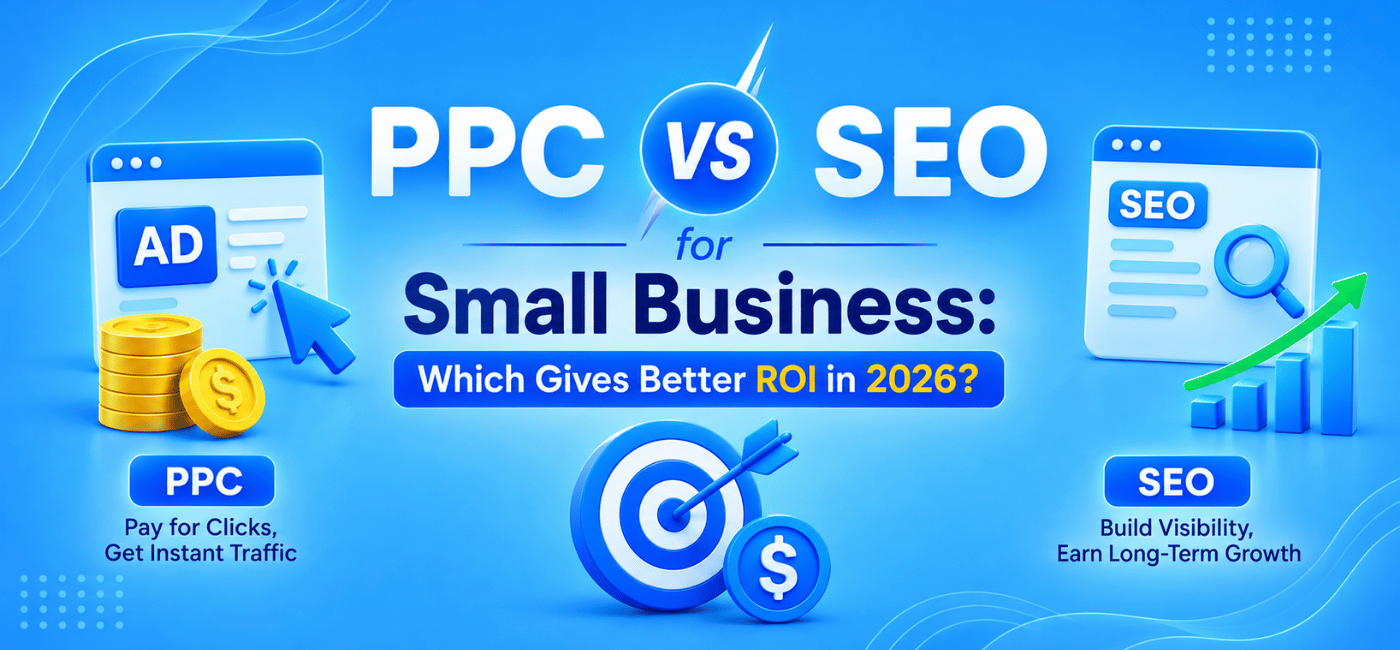
When deciding between paid advertising and organic search, many business owners ask, PPC vs SEO for small business—which option gives better returns?
The honest answer depends on your budget, goals, competition, sales cycle, and how quickly you need results. PPC can bring targeted visitors almost immediately, while SEO generally takes longer but can create a stronger long-term traffic asset.
For most small businesses, the best approach is not always choosing one channel permanently. PPC can generate short-term leads while SEO builds sustainable visibility. The right combination depends on your current business stage and available marketing resources.
Table of Contents
- What is PPC?
- What is SEO?
- PPC vs SEO: Key differences
- Cost and ROI comparison
- When PPC is better
- When SEO is better
- Why using both can work
- How to choose the right strategy
- Common mistakes to avoid
- FAQs
- Conclusion
- CTA
What Is PPC?
PPC, or pay-per-click advertising, is a digital advertising model where you pay when someone clicks your advertisement. These ads can appear on Google search results, social media platforms, shopping platforms, and other advertising networks.
For example, a local plumbing company may run an ad for “emergency plumber near me.” If a user clicks the advertisement, the business is charged according to the campaign’s bidding model.
PPC can be useful because it allows businesses to target:
- Specific search terms.
- Locations.
- Devices.
- Demographics.
- Interests.
- Remarketing audiences.
- Different stages of buying intent.
However, PPC results depend on continued spending. Once an advertising campaign stops, the traffic usually stops as well.
NP Creations provides PPC management services for businesses that want help with campaign planning, targeting, ad management, and performance tracking.
What Is SEO?
SEO, or search engine optimization, is the process of improving a website so it can appear more prominently in organic search results.
SEO includes:
- Keyword research.
- Website structure.
- Technical optimization.
- Content creation.
- Internal linking.
- Local search optimization.
- Digital PR and link building.
- Conversion improvement.
For example, a digital marketing agency may create a service page targeting “SEO services for small businesses” and publish helpful content explaining SEO costs, timelines, and best practices.
Unlike PPC, organic search traffic does not carry a direct cost for every click. However, SEO requires investment in strategy, content, technical work, and ongoing optimization. It also usually takes longer to build momentum.
PPC vs SEO: Key Differences
| Factor | PPC | SEO |
| Speed | Can generate traffic quickly | Usually takes longer |
| Cost model | Pay for clicks or impressions | Pay for strategy and execution |
| Long-term value | Stops when the budget stops | Can continue producing traffic |
| Targeting | Highly precise | Based on relevance and authority |
| Testing | Fast campaign testing | Requires longer-term analysis |
| Brand trust | Marked as an advertisement | Often viewed as organic discovery |
| Scalability | Scales with advertising budget | Scales through content and authority |
| Best use | Immediate leads and promotions | Sustainable visibility and demand |
PPC generally wins when speed and control are the priority. SEO often becomes more efficient over a longer period because the website can continue receiving organic visits after pages gain visibility.
Cost and ROI Comparison
PPC costs depend on the competitiveness of keywords, industry, location, campaign quality, and audience. The business pays for clicks, and the cost can increase when competitors bid on the same search terms.
SEO costs usually include:
- Agency or consultant fees.
- Technical improvements.
- Content production.
- Link-building activities.
- SEO tools.
- Website development.
- Reporting and analysis.
There is no universal ROI percentage for either channel. Results vary significantly by industry and measurement method. Some 2026 comparisons report higher long-term ROI for SEO, while PPC generally offers faster short-term returns.jdmwebtechnologies+2
A useful way to understand the difference is:
- PPC purchases visibility immediately.
- SEO builds visibility over time.
- PPC has an ongoing click cost.
- SEO can reduce the average cost per acquisition as organic traffic grows.
- PPC is easier to pause.
- SEO requires consistent investment to maintain and improve results.
A simple example
Imagine a small business spends ₹50,000 on marketing in one month.
With PPC:
- The money funds ad clicks.
- Leads may arrive quickly.
- The campaign can be adjusted rapidly.
- Traffic declines when the budget is paused.
With SEO:
- The money may fund technical improvements and content.
- Results may be slower initially.
- Optimized pages may continue attracting visitors.
- Future acquisition costs can decrease as rankings improve.
The better option depends on whether the business needs immediate demand or is building a long-term growth channel.
When PPC Is Better
PPC is often the better first choice when a business needs immediate visibility or has a time-sensitive offer.
Use PPC when:
- You are launching a new product.
- You need leads this month.
- You are promoting a limited-time offer.
- You are entering a new market.
- You want to test keyword demand.
- Organic rankings are not yet established.
- You need precise location targeting.
- You are running seasonal campaigns.
For example, a coaching business launching a new workshop may use PPC to promote registrations immediately. Waiting several months for SEO rankings may not suit the campaign timeline.
PPC is also useful for testing landing pages. If one advertisement and landing page combination converts well, that information can guide future SEO content and website improvements.
When SEO Is Better
SEO is often the stronger option for businesses that want sustainable traffic and have time to build authority.
Prioritize SEO when:
- You want lower acquisition costs over time.
- Your audience searches for solutions regularly.
- You can wait several months for results.
- You have useful expertise to share.
- Your competitors already dominate organic results.
- Paid clicks are becoming expensive.
- You want to build brand credibility.
Local businesses can benefit significantly from local SEO because users often search for nearby services, restaurants, clinics, agencies, and retailers. Organic visibility can support calls, map visits, enquiries, and store traffic.
Businesses with international ambitions can also benefit from International SEO services that help adapt keyword research, content, website structure, and regional targeting.
Why Using Both Can Work
For many businesses, PPC and SEO work better together than separately.
PPC provides:
- Immediate traffic.
- Fast keyword data.
- Quick conversion testing.
- Short-term lead generation.
- Retargeting opportunities.
SEO provides:
- Long-term organic visibility.
- Content-based discovery.
- Brand authority.
- Lower incremental traffic costs.
- Sustainable search demand.
Example of an integrated strategy
A local dental clinic could:
- Use PPC for “emergency dentist” searches.
- Optimize its service pages for regular dental treatments.
- Publish content answering common patient questions.
- Use paid traffic data to identify high-converting terms.
- Build organic pages around those terms.
- Retarget website visitors who did not book an appointment.
This approach allows the clinic to capture immediate demand while creating a stronger organic foundation.
NP Creations also offers performance marketing services that combine channels such as PPC, social advertising, affiliate marketing, and other measurable tactics.
How to Choose the Right Strategy
Use the following questions before allocating your budget.
1. How quickly do you need results?
If you need enquiries within days or weeks, PPC may be more suitable. If you are building a six- to twelve-month growth plan, SEO deserves priority.
2. What is your customer lifetime value?
Businesses with high-value customers may be able to support competitive PPC costs. If your margins are low, organic acquisition may become more valuable over time.
3. How competitive is your market?
Highly competitive PPC markets can become expensive. SEO may also be difficult, but a focused content and local search strategy may create opportunities that broad campaigns miss.
4. Do you have a strong website?
Paid traffic sent to a slow or confusing website can produce poor returns. Before investing heavily in either channel, improve key landing pages and user experience.
5. Can you create useful content?
If your team can produce helpful, accurate, and original content consistently, SEO may become a strong long-term asset.
6. Can you measure conversions?
Track phone calls, forms, purchases, bookings, WhatsApp enquiries, and qualified leads—not just clicks or impressions.
For eCommerce businesses, a solid technical foundation is essential. NP Creations Shopify SEO services can help businesses improve product visibility, category optimization, and organic sales performance.
Suggested Budget Allocation
There is no fixed budget split that works for every business. A practical starting point can be based on urgency and growth stage.
| Business situation | Suggested priority |
| New business needing immediate leads | PPC first, SEO foundation alongside it |
| Established business with expensive ads | Increase SEO investment |
| Seasonal business | PPC during peak periods, SEO throughout the year |
| Local service business | Local SEO plus targeted PPC |
| eCommerce store | Technical SEO, product SEO, shopping ads, and remarketing |
| B2B business with long sales cycle | Content-led SEO plus carefully targeted PPC |
A business may begin with a 60% PPC and 40% SEO split when immediate leads are essential. Over time, the allocation can shift toward SEO as organic traffic and conversions grow.
The correct split should be based on actual conversion data, not a fixed formula.
Metrics to Track
PPC metrics
- Click-through rate.
- Cost per click.
- Conversion rate.
- Cost per lead.
- Return on ad spend.
- Impression share.
- Search term quality.
- Qualified lead rate.
SEO metrics
- Organic clicks.
- Organic impressions.
- Ranking improvements.
- Non-branded traffic.
- Organic conversion rate.
- Cost per acquisition.
- Indexed pages.
- Assisted conversions.
- Revenue from organic search.
Do not compare PPC and SEO using traffic alone. A smaller number of qualified organic visitors may be more valuable than a large number of low-intent paid clicks.
Common Mistakes to Avoid
Treating SEO as free
SEO does not have a per-click charge, but it still requires investment in people, tools, content, development, and strategy.
Expecting instant SEO results
SEO usually needs time. Search engines need to crawl, evaluate, and reassess optimized pages.
Running PPC without conversion tracking
If you only track clicks, you cannot determine whether advertising is producing profitable customers.
Sending all traffic to the homepage
Use dedicated landing pages that match the search intent and advertisement.
Ignoring website experience
A slow, unclear, or mobile-unfriendly site can reduce results from both channels.
Choosing one channel emotionally
The decision should be based on business goals, margins, customer behavior, and data—not on whether one channel is fashionable.
FAQs
1. Which is better: PPC vs SEO for small business?
SEO is usually better for long-term ROI, while PPC is generally better for immediate visibility and short-term campaigns. Many businesses benefit from using both.jdmwebtechnologies+1
2. Is PPC cheaper than SEO?
Not necessarily. PPC can produce quick results, but costs continue with every click. SEO requires upfront and ongoing investment but may become more cost-efficient as organic visibility grows.
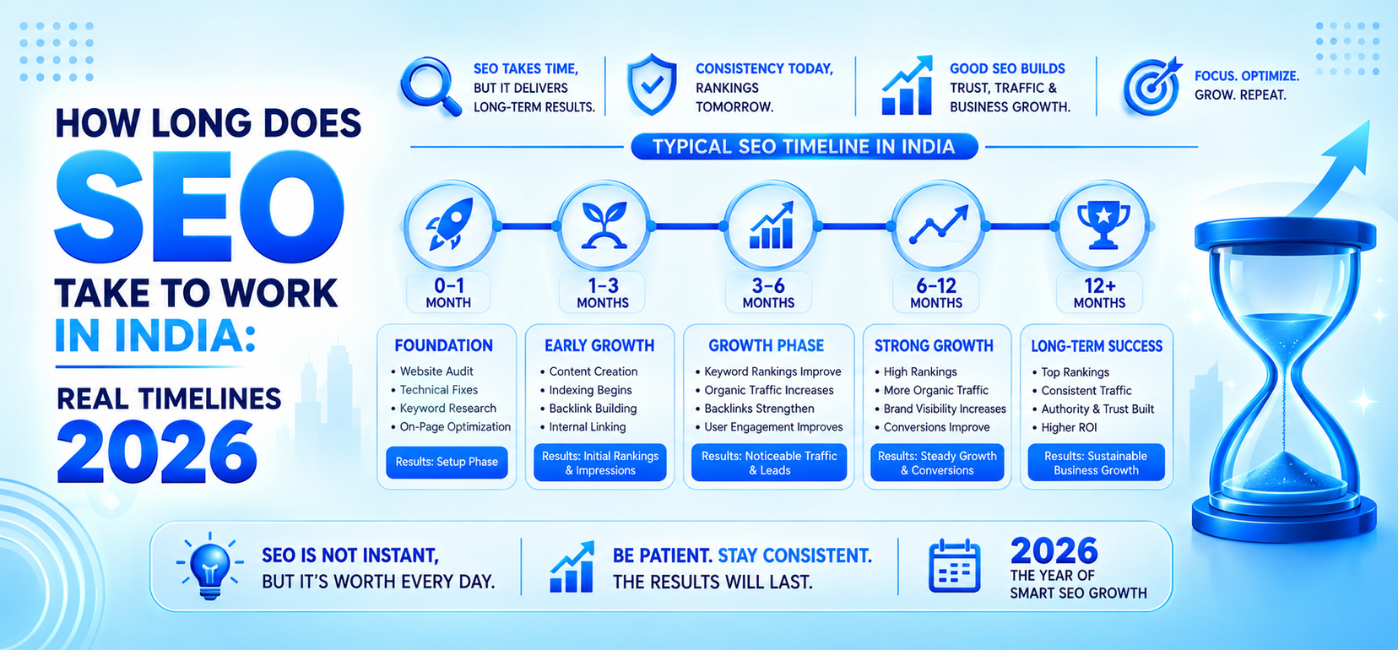
3. How long does SEO take to show results?
The timeline depends on competition, website quality, content, authority, and consistency. Some improvements can appear early, while meaningful growth often takes several months.
4. Can a small business use PPC and SEO together?
Yes. PPC can generate immediate leads while SEO builds sustainable visibility and reduces dependence on advertising over time.
5. Does PPC improve organic rankings?
PPC does not directly increase organic rankings. However, paid campaigns can provide useful data about keywords, audiences, landing pages, and conversion behavior.
6. Should a new business start with PPC or SEO?
A new business may use PPC for immediate exposure while building an SEO foundation. The right decision depends on budget, urgency, competition, and customer acquisition goals.
7. Which channel gives a better cost per lead?
There is no universal answer. PPC cost per lead depends on bidding and conversion performance, while SEO cost per lead may decrease as organic traffic increases.
Conclusion
The PPC vs SEO for small business decisions is really a question of time, budget, and business goals.
PPC is useful when you need fast, targeted traffic and measurable results in the short term. SEO is valuable when you want to build a lasting search presence and reduce dependence on paid clicks over time.
For many businesses, a combined strategy is the most practical choice. Use PPC to capture immediate demand and test opportunities, while SEO builds the content, authority, and visibility that support future growth.
Call to Action
Need help deciding where to invest your marketing budget? NP Creations can support your business with PPC management, performance marketing, SEO strategy, and website optimization.
You can also contact NP Creations to discuss your goals, budget, and customer acquisition plan.