
























Introduction
If you want your store to grow without depending only on ads, this Shopify SEO checklist will help you build a stronger organic traffic engine. Shopify stores can rank well, but only when the technical setup, product pages, collections, and content are all optimized properly.
In 2026, ecommerce SEO is no longer about adding a few keywords and hoping for the best. It is about improving crawlability, site speed, product page quality, and trust signals so your store can compete in search results and convert visitors into buyers.
Table of Contents
- Why Shopify SEO matters
- Technical setup
- Product page optimization
- Collection page optimization
- Content strategy
- Internal linking
- Speed and UX
- Trust signals
- 35-step checklist
- FAQs
- Conclusion
- CTA
Why Shopify SEO matters
Organic traffic is one of the most valuable traffic sources for a Shopify store because it brings in shoppers with clear buying intent. Unlike paid ads, SEO keeps working after the initial optimization is done.
A well-optimized Shopify store can:
- Attract more qualified visitors.
- Improve product discoverability.
- Reduce dependency on ad spend.
- Increase branded and non-branded searches.
- Support long-term revenue growth.
If your store also needs a better visual and usability layer, stronger UI/UX design services can improve how visitors move from product discovery to purchase.
Technical setup
Your Shopify SEO starts with the foundation. If the site is hard to crawl or full of technical issues, other improvements will not perform as well.
Check these basics first:
- Use a custom domain, not the default Shopify domain.
- Make sure HTTPS is enabled.
- Verify the site in Google Search Console.
- Submit the sitemap.
- Set the preferred domain version.
- Review robots and canonical tags.
- Check collection page indexing.
This part matters because Shopify can create duplicate content or crawl issues if filters, tags, or variants are not handled correctly.
Product page optimization
Product pages are where SEO meets revenue. They need to be specific, helpful, and easy to scan.
Improve each product page by:
- Writing unique titles.
- Creating benefit-driven descriptions.
- Adding H1, H2, and FAQ sections.
- Using descriptive image alt text.
- Including structured data where possible.
- Showing reviews and ratings.
A common mistake is copying supplier descriptions. That creates thin content and weak differentiation. Original product copy can help both rankings and conversions.
Collection pages
Collection pages are often ignored, but they are extremely important for ecommerce SEO. They help Google understand your product categories and give shoppers a better entry point.
A strong collection page should include:
- A clear category title.
- Short, useful introductory copy.
- Internal links to related products.
- Helpful filters.
- SEO-friendly descriptions.
- Relevant FAQs.
Think of collection pages as category hubs. They should guide both search engines and buyers.
Content strategy
Shopify stores need more than product pages. They also need content that answers buyer questions and builds topical authority.
Useful content ideas:
- Buying guides.
- Product comparisons.
- Best-of lists.
- Care and usage guides.
- FAQ posts.
- Problem-solving articles.
For example, a skincare store could publish:
- How to choose a face serum.
- Which ingredients work for oily skin.
- How to layer products correctly.
If you want support with scalable content planning, NP Creations AI SEO services can help with keyword clustering, content planning, and optimization workflows.
Internal linking
Internal linking helps users move through your store and helps search engines understand which pages matter most. It is one of the easiest ways to improve authority flow across your site.
Link:
- Blogs to collections.
- Collections to best-selling products.
- Product pages to related products.
- Educational content to conversion pages.
A good internal linking structure can improve both discoverability and revenue potential. It also makes the shopping journey smoother.
Speed and UX
Speed matters because shoppers leave slow stores quickly, especially on mobile. Core Web Vitals, app bloat, and heavy images can all affect performance.
Focus on:
- Removing unused apps.
- Compressing images.
- Using lazy loading.
- Minimizing script overload.
- Improving theme efficiency.
- Checking mobile usability.
If your store attracts international buyers or serves multiple regions, broader SEO support like international SEO services may also help you scale beyond one market.
Trust signals
Trust is a major ranking and conversion factor. Shopify stores need to show that they are real, reliable, and easy to buy from.
Add trust signals such as:
- Customer reviews.
- Clear return policies.
- Contact details.
- About page.
- Shipping and delivery information.
- Secure checkout signals.
A strong brand story can also help. NP Creations About Us page shows how a clear identity supports credibility and trust.
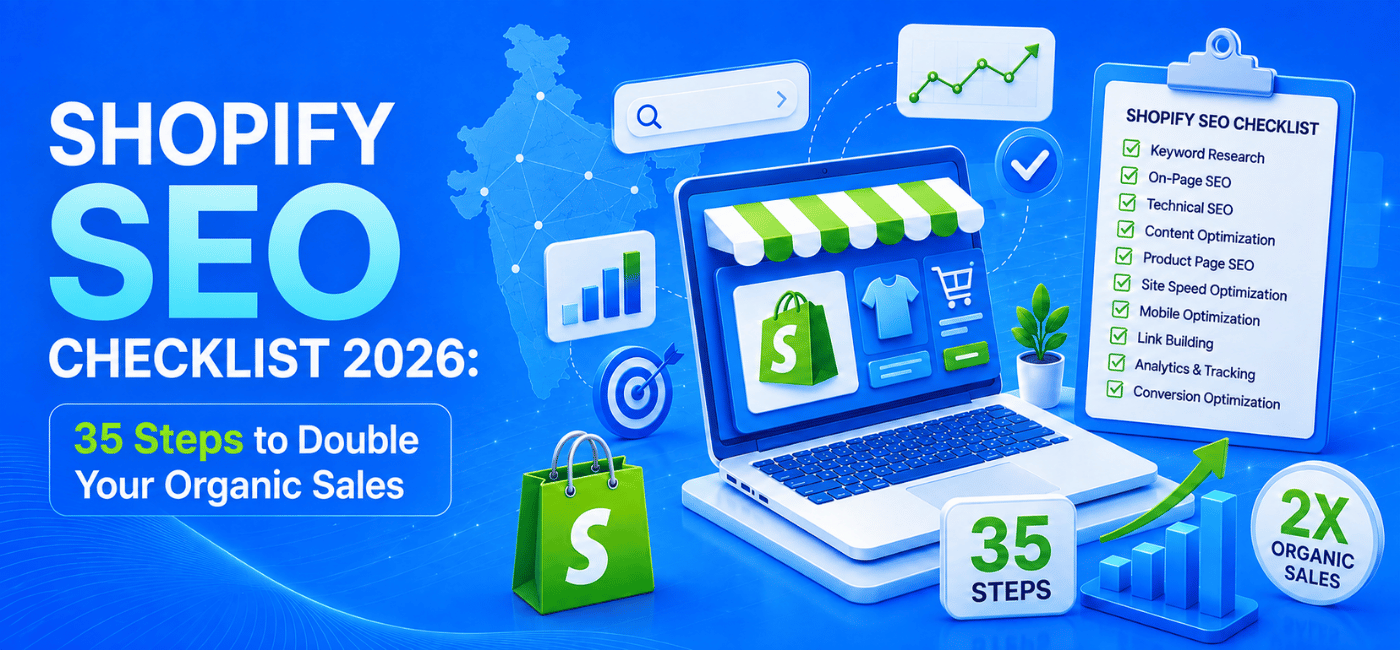
35-step Shopify SEO checklist
Use this as your working list.
Technical steps
- Use a custom domain.
- Enable HTTPS.
- Verify Search Console.
- Submit sitemap.
- Set preferred domain.
- Check robots.txt.
- Fix canonical tags.
- Review collection indexing.
- Remove duplicate pages where possible.
- Audit redirects.
- Check mobile usability.
- Review Core Web Vitals.
On-page steps
- Rewrite product titles.
- Improve meta descriptions.
- Add H1 to each page.
- Use H2 sections for benefits.
- Add alt text to images.
- Write unique product copy.
- Improve collection descriptions.
- Add FAQs to key pages.
- Use breadcrumb navigation.
- Link related products.
- Add internal links from blogs.
- Optimize price and shipping details.
Content steps
- Create buying guides.
- Publish comparison posts.
- Add educational blog content.
- Build category hubs.
- Cover common buyer questions.
- Update older posts regularly.
- Add schema where relevant.
- Strengthen brand story.
- Build review volume.
- Track performance monthly.
- Refresh top pages quarterly.
Example
A Shopify fashion store selling women’s workwear could create a collection page for office dresses, publish a buying guide on choosing workwear for hot climates, and link that guide to its best-selling products. That one content cluster can help search visibility and conversions at the same time.
Common mistakes
Many store owners make the same mistakes again and again. The biggest ones are usually easy to fix.
Avoid:
- Duplicate product descriptions.
- Weak collection pages.
- Too many third-party apps.
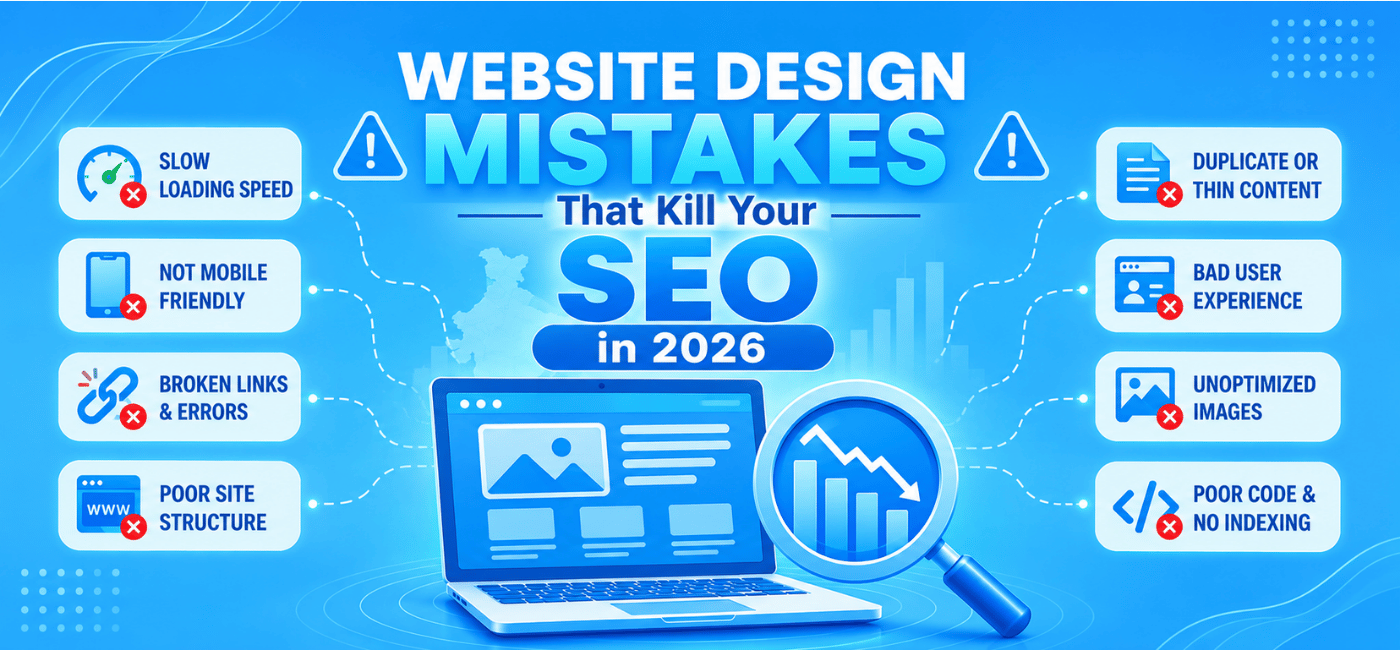
- Slow mobile performance.
- Missing alt text.
- No internal links.
- Thin blog content.
These issues may not seem serious individually, but together they can limit organic growth.
Conclusion
Shopify SEO works best when you treat it as a system, not a single task. The stores that grow steadily usually combine technical cleanup, stronger product pages, useful content, and consistent internal linking.
If you apply this checklist in order, you will create a store that is easier to discover, easier to trust, and easier to buy from. That is what drives long-term organic sales.
FAQs
1. What is the most important part of a Shopify SEO checklist?
The most important part is the foundation: crawlability, indexing, product page quality, and site speed.
2. How often should I update my Shopify SEO?
Review important pages monthly and refresh top-performing content every few months.
3. Do Shopify stores need blog content?
Yes. Blog content helps you rank for informational searches and supports category and product pages.
4. Can internal links improve Shopify rankings?
Yes. They help search engines understand page importance and guide users toward better product discovery.
5. Is page speed important for Shopify SEO?
Very important. Slow pages can hurt user experience and reduce conversions.
6. Do I need an agency for Shopify SEO?
Not always, but expert help is useful when your store has technical issues, content gaps, or scaling challenges. Many store owners bring in professional support when they need stronger strategy and execution.
7. Does AI help with Shopify SEO?
Yes, when used for research, clustering, and planning. Human review is still essential for quality and brand fit.
Call-to-Action
If you want help turning this checklist into a real growth plan, NP Creations can support you with SEO strategy, content, design, and ongoing optimization through its blog and AI SEO services.